Best Sewing Machines for Beginners (2026)
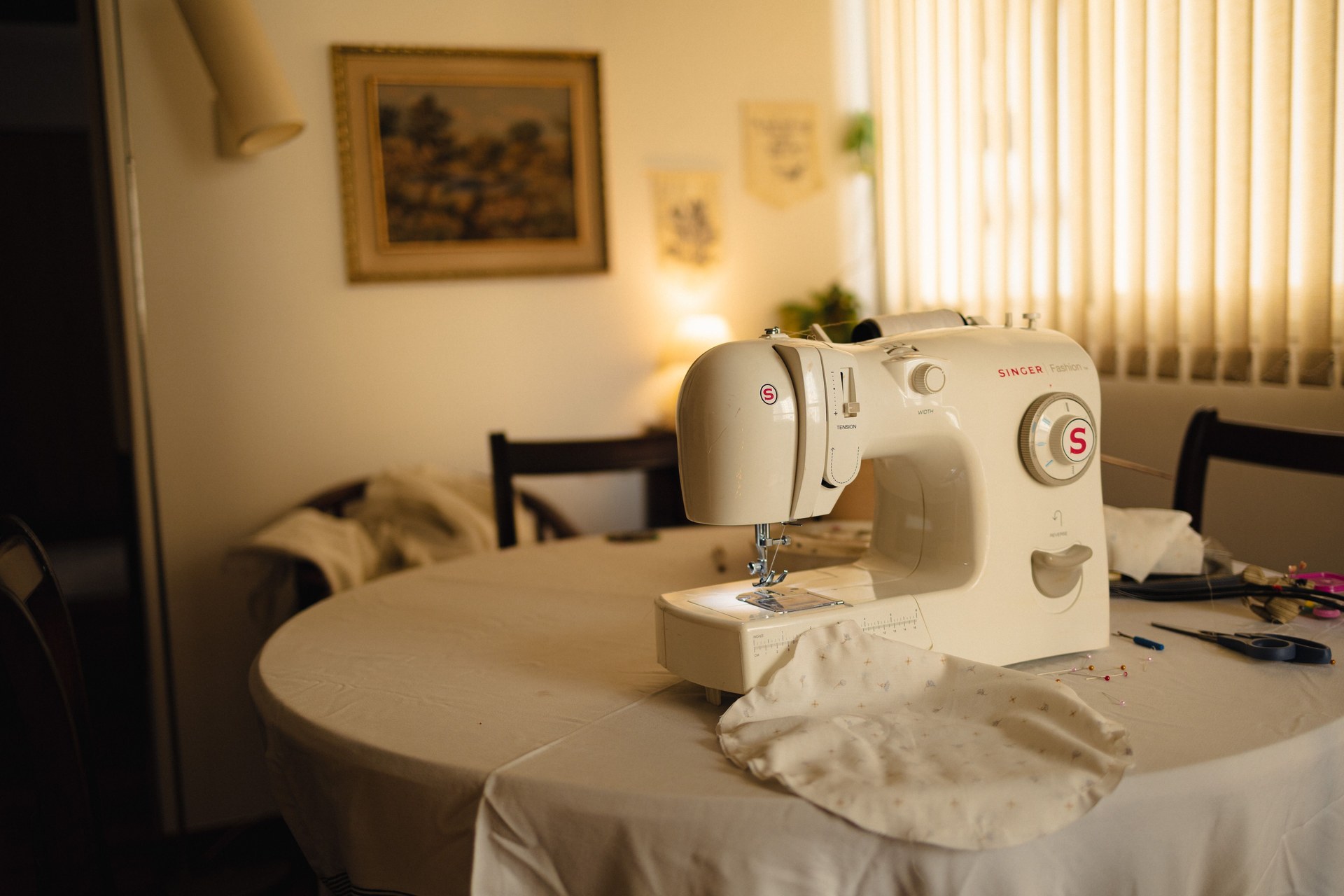
Learning to sew in 2026 doesn't mean fighting a cranky machine your grandmother wrestled with. Modern beginner machines thread themselves, drop in bobbins without jamming, and pick stitches with a dial or a screen — the hard part is knowing which one to buy first. This matters even more if you're sewing to sell: an Etsy shop lives or dies on consistent seams, finished edges, and how fast you can turn fabric into listings.
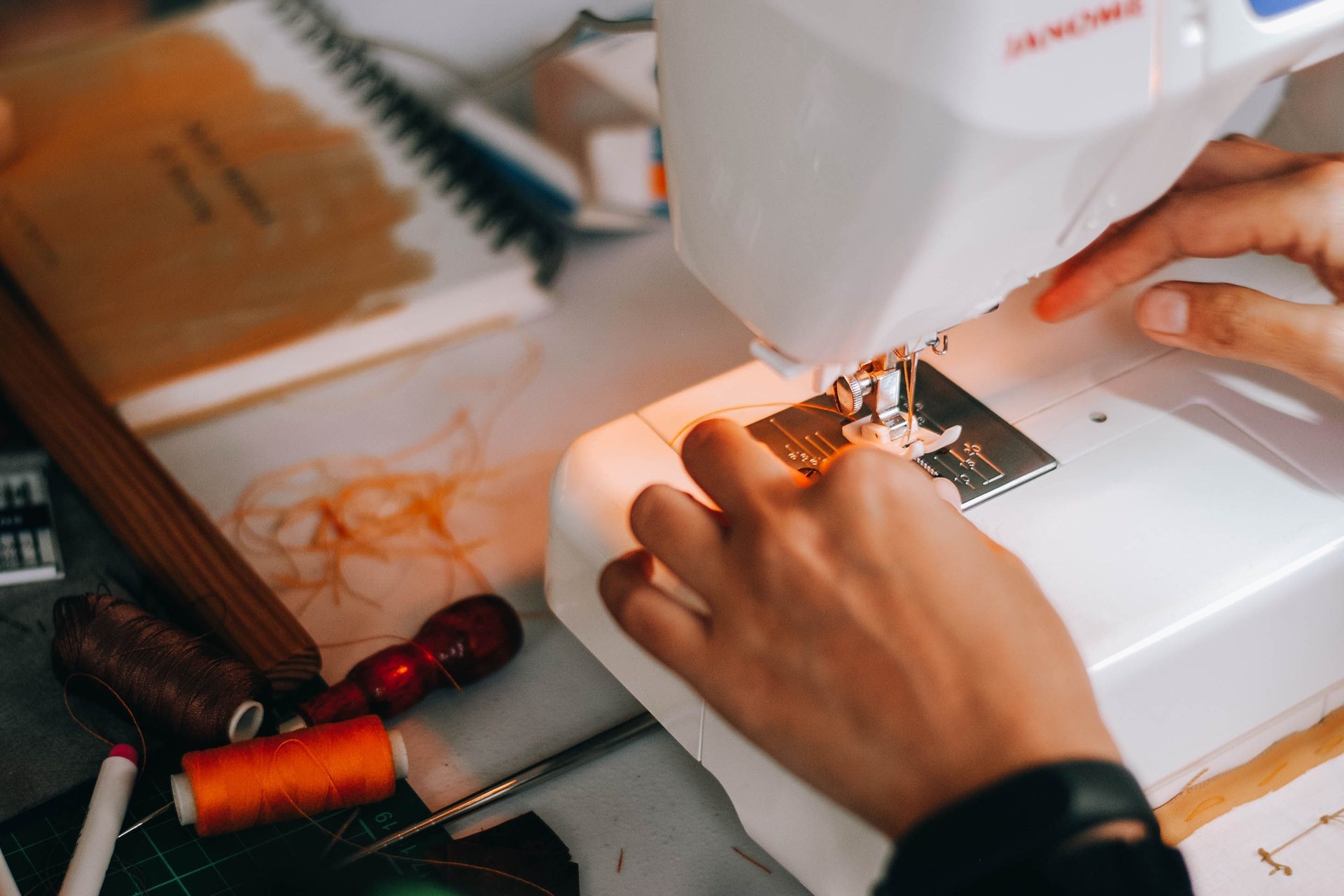
What matters for a beginner: an automatic needle threader (threading the needle by hand is the #1 frustration that makes people quit), a jam-resistant drop-in bobbin, a simple stitch selector you can read without the manual, and a free arm for hemming cuffs and sleeves. The seven machines below cover every beginner budget from "just trying it out" to "I'm starting a shop," all from the three brands that own this category — Brother, SINGER, and Janome.
The short answer
- Cheapest entry: SINGER M1500 (~$118) — 9.7 lbs, preset stitch settings, full accessory kit. The least intimidating machine here. Check price on Amazon →
- Best overall beginner machine: Brother XM2701 (~$137) — #1 best seller, automatic needle threader, 27 stitches, jam-resistant bobbin. The default recommendation. Check price on Amazon →
- Best budget computerized: Brother GX37 ($149) — 37 stitches, one-step buttonhole, illustrated manual and how-to videos. Check price on Amazon →
- Best for Etsy quilting: Brother CS7000X ($250) — 70 stitches, wide table, 10 presser feet, start/stop button for precise seams. Check price on Amazon →
- Best mid-range: Brother XR9550 (~$270) — 165 stitches, 8 one-step buttonholes, wide table. The most machine for the money. Check price on Amazon →
- Best simple mechanical: Janome 2212 (~$217) — 12 stitches, no electronics, an easy-to-read manual. For people who distrust screens. Check price on Amazon →
- Best "grow into it": SINGER Quantum Stylist 9960 (~$547) — 600 stitches, 13 one-step buttonholes, extension table and hard case. A machine you won't outgrow. Check price on Amazon →
SINGER M1500 — the cheapest way in
At around $118, the M1500 is the modern successor to the legendary Singer Start 1304 — and it's the least intimidating machine on this list. Stitch length and width come preset, so there's no setup guesswork on your first project. It weighs just 9.7 pounds, has an LED work light, and ships with a full accessory kit in the box. 57 stitch applications from 6 basic stitches cover hems, seams, decorative edges, and a 4-step buttonhole. It's an Amazon's Choice with thousands of reviews, and for someone who isn't sure sewing is "their thing," it's the lowest-risk way to find out.
Honest pros:
- ~$118 — the lowest price on this list, full accessory kit included
- 9.7 lbs and portable — moves from closet to kitchen table in seconds
- Preset stitch length/width — no setup decisions to get wrong
- Simple threading guides and a 4-step buttonhole
Honest cons:
- Only 6 basic stitches — you'll outgrow it if you sew regularly
- 4-step buttonhole is manual work compared to one-step models
- Lightweight build means it walks a bit on thick fabric — go slow
Brother XM2701 — the beginner default
The XM2701 is the #1 best-selling sewing machine on Amazon, and it's the machine we recommend to most beginners. It solves the two problems that make new sewists quit: the automatic needle threader threads the needle for you, and the jam-resistant drop-in top bobbin loads in seconds. 27 built-in stitches selected with a simple dial cover everything a beginner and most intermediate projects need, and the free arm handles cuffs, sleeves, and narrow hems. At around $137 with nearly 20,000 reviews averaging 4.6 stars, it's the safest first purchase in sewing.
Honest pros:
- #1 best seller — enormous community, thousands of beginner tutorials
- Automatic needle threader — the single most beginner-friendly feature
- Jam-resistant drop-in bobbin loads in seconds, no fiddling
- Free arm for cuffs, collars, and narrow hems
Honest cons:
- Dial stitch selection, not a screen — fine for 27 stitches, but less precise
- One-step buttonhole isn't as polished as pricier computerized models
- Not built for heavy layers — thick denim stacks will strain it
Brother GX37 — budget computerized
The GX37 is the sweet spot for beginners who want computerized convenience without the price jump. For $149 you get 37 built-in stitches, a proper one-step auto-size buttonhole (a big upgrade over the 4-step manual style), and 6 presser feet in the box. The standout for nervous beginners: an illustrated bilingual user manual plus how-to videos, so you're never stuck decoding a diagram. The automatic needle threader and drop-in bobbin keep setup painless, and dial-style selection keeps it simple.
Honest pros:
- One-step auto-size buttonhole at a $149 price point
- Illustrated manual + how-to videos — genuinely helpful for true beginners
- 6 included sewing feet — no accessory shopping on day one
- 37 stitches — enough range to grow without confusion
Honest cons:
- Mechanical dial selection — not the LCD precision of the CS7000X
- Fewer decorative stitches than its computerized siblings
- No wide table included — large projects get cramped
Brother CS7000X — the Etsy seller's pick
If you're learning to sew because you want to sell what you make, this is the machine to look at. The CS7000X is a computerized machine with 70 built-in stitches on an LCD display, and it ships with the two things craft sellers actually need: a wide table for quilts and larger projects, and 10 presser feet including a walking foot. The variable speed control and start/stop button let you sew slowly and precisely without touching the foot pedal — huge for consistent Etsy-quality seams. Over a thousand of these sold in the past month at around $250, often on a limited-time deal.
Honest pros:
- Wide table + 10 presser feet included — the quilting/craft starter kit
- Start/stop button and speed control — precise seams without the foot pedal
- 70 stitches with LCD selection — decorative options for sellable products
- Huge beginner community and YouTube tutorial library
Honest cons:
- ~$250 — double the price of a basic mechanical machine
- More features means a slightly longer learning curve
- Still a home machine — it won't power through heavy canvas like an industrial
Brother XR9550 — the mid-range maximum
The XR9550 is what you buy when you've sewn a few things on a basic machine and know this hobby is sticking. 165 built-in stitches with LCD selection, 8 one-step auto-size buttonholes, a jam-resistant drop-in bobbin, and the automatic needle threader — plus a wide table and 8 presser feet in the box. At around $270 it's the most capability per dollar on this list, and over a thousand sold in the past month. One caveat: stock runs thin on this one, so prices from third-party sellers vary — Amazon-fulfilled listings are the safe buy.
Honest pros:
- 165 stitches and 8 one-step buttonholes — the deepest feature set under $300
- Wide table + 8 presser feet included
- Automatic needle threader and jam-resistant bobbin
- 1,000+ bought in the past month — proven popular
Honest cons:
- Stock fluctuates — third-party sellers fill the gap at varying prices
- 165 stitches is overkill if you'll use 10 — don't pay for complexity you won't use
- Computerized electronics mean repairs are pricier than mechanical machines
Janome 2212 — the anti-computer machine
Some beginners don't want screens, menus, or electronics — they want a machine that sews. The Janome 2212 is a straightforward mechanical machine: a stitch-selector dial with 12 built-in stitches, snap-on presser feet, a free arm, and a front-loading bobbin. It weighs 14.9 pounds, feels solid, and reviewers consistently praise the easy-to-read manual. It's an Amazon's Choice at around $217. If your nightmare is a machine that needs a firmware update, this is your machine.
Honest pros:
- No electronics — nothing to glitch, update, or confuse
- Reviewers praise the manual — genuinely easy to learn on
- Janome build quality — solid, smooth stitching at this price
- Front-loading bobbin is simple and reliable
Honest cons:
- Only 12 stitches — the smallest selection here
- Front-loading bobbin is slower to change than drop-in top bobbins
- No automatic needle threader — you thread it yourself
SINGER Quantum Stylist 9960 — grow into it
The 9960 is the "buy once" option: 600 built-in stitches, 13 one-step buttonholes, push-button stitch selection, speed control, a top drop-in bobbin, and an extension table plus hard case in the box. It has over 9,000 reviews at 4.4 stars and 500+ bought in the past month — SINGER's flagship home machine for a reason. At around $547 it's real money, but it's the only machine here you will not outgrow: quilting, garment sewing, decorative work, and craft production all live comfortably inside it. If you're starting an Etsy shop and sewing is the product line, this is the machine that scales with you.
Honest pros:
- 600 stitches + 13 one-step buttonholes — the deepest capability here
- Extension table and hard case included
- Push-button selection, speed control, automatic needle threader
- 9,000+ reviews — the most battle-tested machine on this list
Honest cons:
- ~$547 — five times the price of the M1500; overkill if you're unsure
- The learning curve is real — 600 stitches takes time to explore
- Heavier and bulkier than the portables — this one lives on a table
Side-by-side
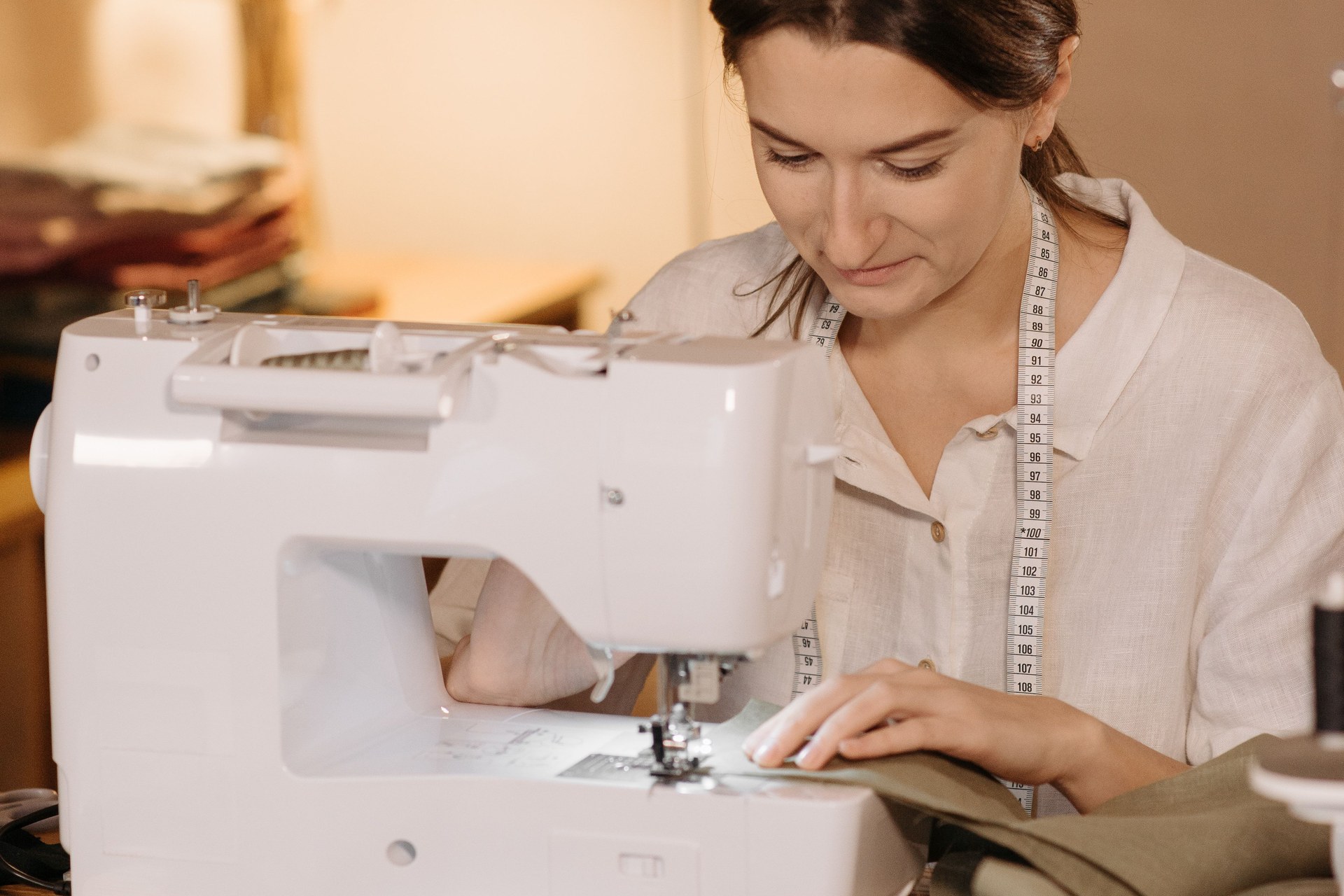
| SINGER M1500 | Brother XM2701 | Brother GX37 | Brother CS7000X | Brother XR9550 | Janome 2212 | SINGER 9960 | |
|---|---|---|---|---|---|---|---|
| Typical price | ~$118 | ~$137 | $149 | $250 | ~$270 | ~$217 | ~$547 |
| Built-in stitches | 6 | 27 | 37 | 70 | 165 | 12 | 600 |
| One-step buttonhole | No (4-step) | Yes | Yes | Yes | Yes (8) | No | Yes (13) |
| Auto needle threader | No | Yes | Yes | Yes | Yes | No | Yes |
| Computerized | No | No | No | Yes | Yes | No | Yes |
| Wide table included | No | No | No | Yes | Yes | No | Yes (extension) |
| Best for | Trying it out | Most beginners | Budget computerized | Etsy quilting | Max features | No-frills sewing | Growing a shop |
How to choose
Decide mechanical vs. computerized first. Mechanical machines (M1500, XM2701, GX37, Janome 2212) use dials, cost less, and are easier to service. Computerized machines (CS7000X, XR9550, 9960) use screens or push buttons, give you hundreds of stitches, and usually include the automatic threader and one-step buttonholes. If you sew casually, mechanical is plenty. If you're building an Etsy product line, computerized pays for itself in speed and stitch variety.
Don't skip the needle threader. Across all seven machines, the single feature beginners say they love most is the automatic needle threader. If your eyesight isn't perfect or your patience is finite, weight this heavily — it's standard on every Brother here.
Pair the machine with the rest of your craft setup. If you're cutting fabric for sewn products, our cutting machine guide covers Cricut, Silhouette, and Brother for appliqué and fabric cutting. And when your products are ready for Etsy, our product photography lighting guide makes handmade look professional in listing photos.
FAQ
Mechanical or computerized for a total beginner?
Either works — the real beginner features are the automatic needle threader and the jam-resistant drop-in bobbin, which most of these have. Computerized machines cost more but give you precise stitch control and decorative options; mechanical machines are simpler and cheaper to fix. Pick based on budget and how far you think you'll go.
Can a beginner machine sew thick fabrics like denim?
Occasionally, yes; regularly, no. Home beginner machines handle two to four layers of denim or canvas if you go slowly with a heavy-duty needle. If thick materials are your whole project (bags, upholstery), you need a heavy-duty machine — none of these seven is built for that as daily work.
What else do I need besides the machine to sell on Etsy?
The machine is step one. You'll also need good fabric scissors or a rotary cutter, a cutting mat, quality thread (cheap thread causes half of all beginner jams), an iron (pressing seams is what makes handmade look professional), and good lighting for listing photos. Budget $50–100 for the starter kit beyond the machine.
Do I need a serger too?
Not at first. A serger finishes raw edges professionally, but every machine here has zigzag and overcast stitches that handle edge-finishing well enough for beginner projects. Sell a few dozen items first — then buy the serger with the profits.